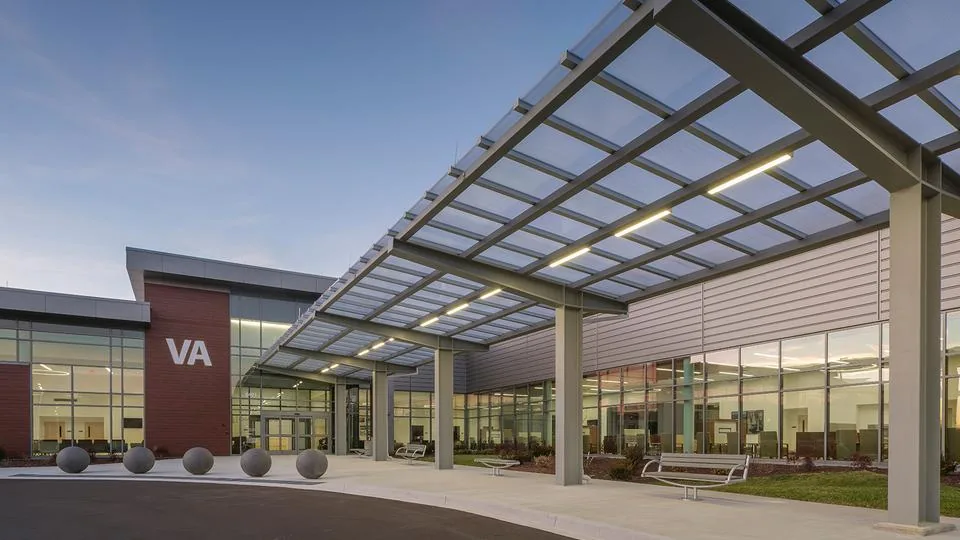
Architects, institutions, and developers increasingly recognize that outdoor environments directly shape how people experience a space. Covered walkways, canopies, and shelters influence comfort, movement, safety, and connection.
The spaces between buildings have become just as important as the buildings themselves. On campuses, transit hubs, healthcare facilities, and community spaces, people expect environments that feel welcoming, accessible, and usable year-round. Thoughtfully designed outdoor infrastructure helps create those experiences while supporting wellness, visibility, and resilience in changing climates.
Modernizing the approach to outdoor infrastructure means shifting when these elements are considered within a project. Too often, walkways, canopies, and shelters are treated as secondary additions late in the design process rather than foundational components of the overall environment. When integrated early, these structures can better support architectural intent, improve user flow, enhance accessibility, and create a more cohesive experience across the entire site. Designing with these elements in mind from the beginning leads to stronger long-term performance, better aesthetics, and spaces that feel intentionally connected rather than pieced together.
Modern infrastructure aligns architectural intent, sustainability goals, and long-term value. The most successful projects are created through collaboration between architects, engineers, fabricators, and project teams from the earliest stages of design.
As expectations for public and commercial spaces continue to evolve, outdoor infrastructure will play an even greater role in shaping how people interact with the built environment. The future of design is about the structures we build and the experiences created between them.
At Duo-Gard, we believe the best solutions happen when performance, design, and human experience come together.
Together by design.